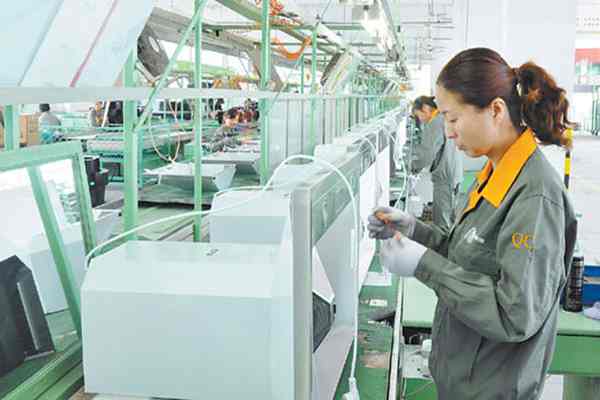
Range hood assembly line? Let me show you how the range hood is installed!
1. Production Line Structure and Workstation Layout
The assembly line uses a modular, segmented design. It consists of multiple standardized workstations connected in series. Workstation spacing is calculated to ensure smooth product flow within set beat times.
White range hood bodies move orderly along the conveying track. Workers follow the “one person, one process” principle. This layout minimizes work-in-process backlogs, enabling efficient transformation from parts to finished products.
The conveying system uses a chain-plate or roller structure with an anti-static coating. This protects product appearance from scratches and meets safety requirements for electronic component assembly. Tool hangers and material boxes on both sides support “hands-on” feeding, so workers can pick tools and parts without turning around.
2. Core Assembly Technology of Range Hood
Range hood assembly requires precise integration of four modules: sheet metal shell, fan system, control system, and oil circuit system.
Shell Assembly
Workers first dock the smoke collection hood and box body. They use pneumatic screwdrivers with torque control locking. This ensures tight joints and prevents oil leakage.
Fan Module Assembly
This is the technical core of the production line. It requires dynamic balance correction of the centrifugal rotor and coaxial adjustment of the motor and volute. Special tooling supports these processes, which directly determine the machine’s noise index and exhaust efficiency.
Circuit Assembly
The circuit assembly uses plug-in and parallel wiring modes. Electronic components like the main control board, keypad, and lighting module connect via quick plug-in terminals. This improves assembly efficiency and simplifies later maintenance. Workers wear white protective gloves to protect circuits and product appearance.
Oil System Assembly
This includes sealing treatment for oil guide grooves, oil collecting cups, and return pipes. Special sealing rubber strips and snap structures prevent grease leakage during long-term use. High-end models also add pre-installed interfaces for automatic cleaning modules at this station.
3. Quality Control Node Design
Quality control is embedded in every key process, not just concentrated at the end. Each assembly stage includes visual inspection and functional pre-inspection.
For example, after assembly, the fan undergoes a power-on rotation test to detect abnormal vibration and current fluctuations. Before final roll-out, random checks verify three core properties: air volume, wind pressure, and noise.
An aging test area is located at the end of the line. Randomly selected products run continuously under simulated extreme working conditions. This “process control + terminal verification” dual mechanism ensures every range hood meets design standards before leaving the factory.
4. Process Optimization Direction
The range hood assembly line is evolving toward flexibility and digitalization. Quick-change tooling enables mixed-flow production of different size models on the same line. The introduction of the MES system supports real-time collection and traceability of process parameters.
Some heavy-load stations now use booster robotic arms. This reduces workers’ labor intensity and improves assembly consistency. The production line operates with a mature, stable rhythm, with green frames and white bodies blending industrial aesthetics and functionality.
In the context of intelligent manufacturing transformation, these assembly lines are driving traditional home appliance manufacturing to a new stage of higher precision and efficiency through continuous technological upgrades.