Technology upgrade direction of electronic control box assembly line
Under the wave of Industry 4.0, the traditional electric control box production model faces multiple challenges such as low efficiency, unstable quality, and rising labor costs. The automatic assembly line for electric control boxes came into being.
1. Transformation needs of traditional electric control box production model
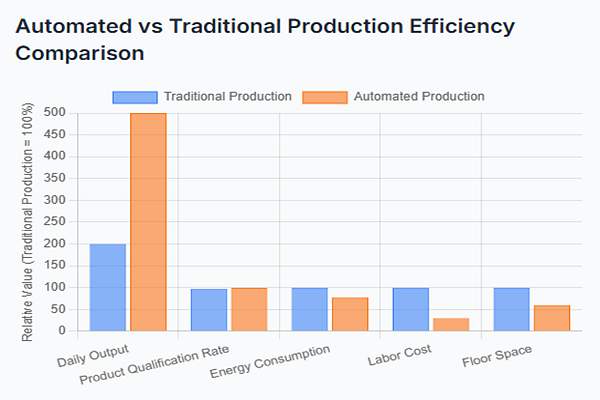
- Manual assembly efficiency is low, with an average daily production capacity of less than 200 units.
- Poor product consistency, defective rate as high as 3-5%.
- Production data is difficult to trace, and quality problems are difficult to investigate.
2. Double-speed chain conveying system-core drive technology
The double-speed chain conveying system is the “artery” of the entire electric cabinet production line, which determines the core indicators of production efficiency and stability.
- Variable speed adjustment: The ratio of chain speed to tooling plate conveying speed can be adjusted (usually 2.5/3/5 times) to meet the needs of different process beats. Strong heavy-duty capacity: A single chain can carry a weight of 50-200kg, suitable for stable transportation of various electronic boxes.
- Continuous cycle work: Closed-loop design realizes automatic backflow of tooling plates, reduces manual intervention, and improves system automation.
- Precise positioning control: Combined with the blocking cylinder and positioning mechanism, the positioning accuracy of ±0.5mm is achieved to meet the requirements of precision assembly.
3. The upgrade of the electronic control box assembly line brings significant returns
From cost savings to efficiency improvement, from quality improvement to management optimization, we create value for enterprises in all aspects.
- Production efficiency improvement: Automated assembly lines achieve continuous and stable production, increase average daily production capacity by 40-60%, shorten production cycles by more than 50%, and quickly respond to market demand.
- Reduction in operating costs: Reduce labor requirements by 60-80%, reduce material waste by more than 30%, reduce comprehensive operating costs by 25-35%, and return on investment period by 1.5-2 years.
- Product quality improvement: The product pass rate has increased from 95% to over 99.5%, significantly reducing rework and after-sales costs, and improving customer satisfaction and brand reputation.